
What Is a Parapet Wall?
- Date: January 14, 2026
Other Post
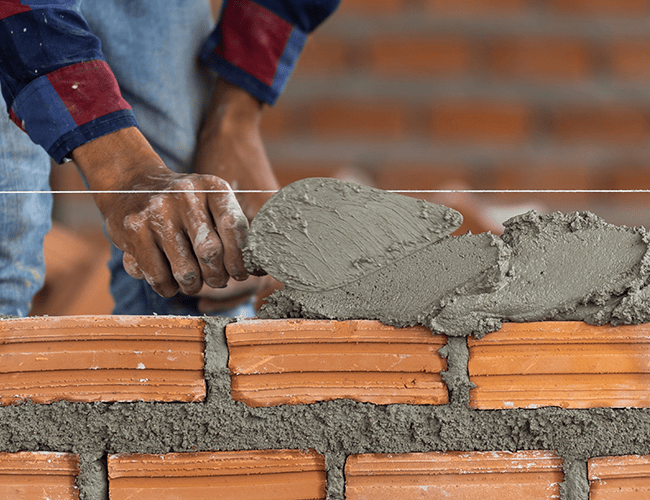
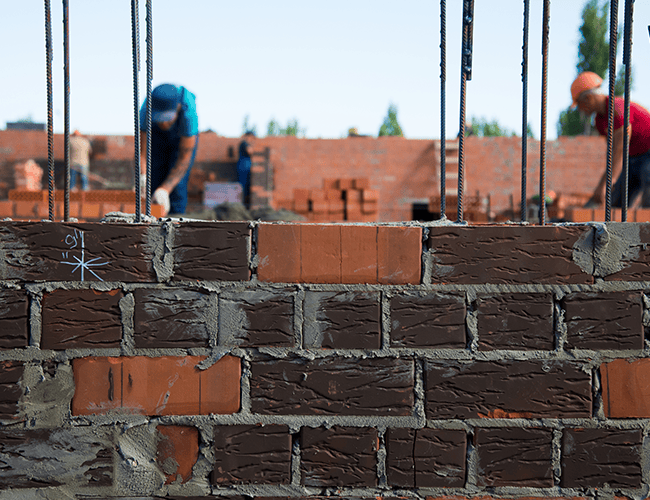
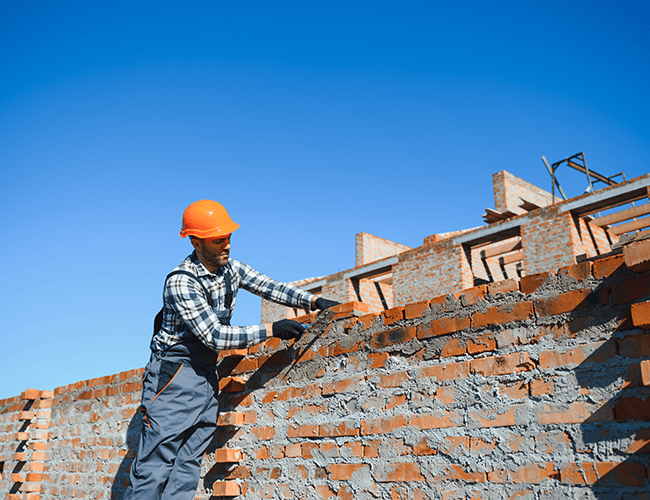
A parapet wall is a vertical extension of a building’s exterior wall that rises above the roofline. In New York City construction, parapet walls are commonly built along the edges of residential and commercial buildings to improve rooftop safety, enhance fire separation between adjacent properties, and protect masonry structures from wind and water exposure.
Unlike standard exterior walls, a parapet wall is specifically designed to extend past the roof surface. In dense NYC neighborhoods where buildings are closely attached, parapet walls play a critical role in structural protection and code compliance.
Parapet Wall Definition in Construction
In construction terminology, a parapet wall is the upper portion of a façade that continues above the roof level to form a protective barrier. It is typically constructed using brick masonry, concrete block, or reinforced concrete and finished with coping to prevent water intrusion.
From a structural standpoint, a parapet wall may be load-bearing or non-load-bearing depending on the building design. In urban environments like New York City, parapets are frequently integrated into the building envelope to improve safety, durability, and long-term performance under wind and freeze-thaw conditions.
Why Parapet Walls Are Common in NYC Buildings
New York City’s dense urban layout makes parapet walls more than just architectural features. Many residential and commercial properties share party walls, meaning structures sit directly beside each other. In these conditions, a parapet wall helps reduce fire spread between adjacent buildings and improves rooftop edge protection.
High wind loads, aging masonry, and extreme seasonal temperature shifts also make parapet construction critical in NYC. Freeze-thaw cycles can weaken exposed roof edges over time, so properly designed parapet walls provide additional structural reinforcement where buildings are most vulnerable.
From brownstones in Brooklyn to multi-story commercial buildings in Manhattan, parapet walls are a common and necessary design element in city construction.
Core Functions of a Parapet Wall in Construction
A parapet wall serves multiple protective and structural purposes beyond simply extending above the roofline:
Rooftop Safety Barrier
Creates edge protection that reduces fall risk on accessible roofs.
Fire Separation Support
Helps slow horizontal fire spread between attached NYC buildings.
Wind Pressure Control
Reduces uplift pressure at roof edges during high-wind events.
Water Management Support
Works with coping systems to direct water away from roof membranes and masonry joints.
Architectural Continuity
Enhances façade symmetry while concealing rooftop mechanical systems.
Each function contributes to both structural integrity and long-term durability, especially in urban environments like New York City where building exposure conditions are aggressive.
Types of Parapet Walls Used in NYC Construction
Parapet walls vary in design depending on structural purpose and architectural style. In New York City, the following types are most commonly found:
Plain Parapet
A simple vertical extension of the exterior wall. Frequently seen on brick residential buildings and low-rise commercial properties.
Perforated Parapet
Includes decorative openings. Less common in modern NYC structures but found in certain historic façades.
Embattled Parapet
Recognizable by alternating high and low sections. Primarily architectural and mostly seen on older landmark-style buildings.
Paneled Parapet
Features recessed or raised sections within the wall surface, often for visual detailing on traditional masonry façades.
Sloped or Coping Parapet
Designed with angled coping to improve water runoff. Highly recommended in NYC due to heavy rain and freeze-thaw exposure.
In practical NYC construction, plain and coping-enhanced parapets are the most structurally reliable and widely used.
Materials Commonly Used for Parapet Walls in New York
In New York City construction, material selection for parapet walls directly impacts structural stability, moisture resistance, and long-term performance under freeze-thaw exposure. Below is a breakdown of the most commonly used materials in residential and commercial buildings:
|
Material |
Where Commonly Used in NYC |
Key Structural Advantage |
Climate Performance |
|
Brick Masonry |
Brownstones, multi-family residential buildings |
Strong integration with existing brick façades |
Performs well if mortar joints are properly maintained |
|
Concrete Block (CMU) |
Commercial and mixed-use buildings |
Higher compressive strength than standard brick |
Durable under heavy wind loads |
|
Reinforced Concrete |
Mid-rise and high-rise structures |
Superior structural reinforcement capacity |
Excellent resistance to wind pressure |
|
Natural Stone |
Historic and landmark properties |
High density and long lifespan |
Good weather resistance when properly sealed |
|
Metal Coping Systems |
Installed atop most parapets |
Prevents water penetration at wall crown |
Critical for protecting against snow and rain infiltration |
In NYC’s aggressive weather conditions, proper installation and water-sealing are just as important as material choice for both residential and commercial properties.
Common Parapet Wall Problems in New York City Buildings
Because parapet walls are fully exposed above the roofline, they deteriorate faster than most other exterior components. In New York City, aging masonry, harsh winters, and high wind exposure accelerate structural wear.
Below are the most frequent parapet-related issues found in residential and commercial buildings:
1. Cracked or Spalled Brick
Freeze-thaw cycles cause trapped moisture inside masonry to expand, leading to surface cracking and brick face deterioration.
2. Mortar Joint Failure
Old or improperly mixed mortar weakens over time, reducing structural cohesion and increasing instability risk.
3. Leaning or Bulging Parapets
Structural shifting, rusted internal anchors, or prolonged moisture infiltration can cause visible outward movement.
4. Displaced or Loose Coping
When coping stones or metal caps loosen, water penetrates the wall core and accelerates internal damage.
5. Water Infiltration at the Roof Line
Failed flashing or sealants allow moisture to enter the masonry assembly, leading to internal cracking and long-term weakening.
6. Falling Debris Hazards
Severely deteriorated parapet sections can become unstable, posing safety risks to pedestrians and adjacent properties.
In NYC, parapet wall deterioration is not only a structural concern but also a public safety issue. Early detection prevents major reconstruction and liability risks.
Is a Parapet Wall Structural?
A parapet wall can be structural, but not all parapet walls are load-bearing.
In many New York City residential buildings, parapet walls are built as extensions of exterior masonry walls. When integrated into the original wall system, they contribute to lateral stability and wind resistance. These are considered structural components and require proper anchoring to the roof and floor framing.
However, some parapet walls function primarily as protective barriers rather than load-bearing elements. In commercial construction, reinforced concrete parapets may be engineered to resist wind loads without supporting vertical building weight.
The structural classification depends on:
- How the parapet is tied into the building frame
- Whether it supports additional loads
- The original construction design
In NYC, improperly supported parapet walls can become unstable over time, especially in older brick buildings. That is why structural evaluation is critical when cracks, leaning, or separation are visible.
Parapet Wall vs. Guardrail: What’s the Difference?
Although both parapet walls and guardrails provide edge protection, they serve different structural and construction purposes.
|
Feature |
Parapet Wall |
Guardrail System |
|
Construction Type |
Permanent masonry or concrete extension of exterior wall |
Metal or framed barrier installed at roof edge |
|
Structural Integration |
Built into building façade and wall system |
Surface-mounted or anchored to roof deck |
|
Fire Separation Role |
Can assist in slowing fire spread between buildings |
Does not provide fire separation |
|
Wind Resistance |
Designed to resist lateral wind loads |
Primarily for fall protection |
|
Typical Use in NYC |
Common in attached residential and commercial buildings |
Often used on accessible commercial rooftops |
In New York City construction, parapet walls are typically part of the original building design, especially in masonry structures. Guardrails, on the other hand, are often installed later to meet safety regulations for rooftop access.
In simple terms, a parapet wall is a structural architectural feature, while a guardrail is a safety add-on.
Do Parapet Walls Require Inspection in NYC?
In New York City, parapet walls are considered critical exterior building components because they extend above the roofline and are fully exposed to weather and wind pressure. Over time, this exposure can weaken masonry, loosen coping, and create structural instability.
For many residential and commercial buildings, especially multi-story properties, exterior wall conditions including parapets must be periodically evaluated as part of building safety compliance requirements. Structural cracks, leaning sections, or deteriorated mortar joints may indicate the need for professional assessment.
Property owners should arrange inspection if they notice:
- Visible separation between parapet and roof surface
- Loose bricks or coping stones
- Bulging masonry at roof edges
- Water leakage near the top of exterior walls
In NYC, neglected parapet deterioration can lead to falling debris hazards and potential violations. Early inspection helps prevent structural failure and costly reconstruction.
When Should a Parapet Wall Be Repaired or Rebuilt?
Not every crack requires full reconstruction, but certain warning signs indicate that repair or structural rebuilding may be necessary in NYC residential and commercial buildings.
Repair May Be Required If:
- Mortar joints are deteriorating but bricks remain stable
- Minor vertical cracking appears without movement
- Coping is loose but wall alignment is intact
- Localized water infiltration is detected
These conditions often allow targeted masonry repair and waterproofing.
Rebuilding May Be Necessary If:
- The parapet is visibly leaning or separating from the roofline
- Large structural cracks run through multiple courses of brick
- Internal steel anchors have corroded
- Bulging masonry indicates loss of structural bond
In older New York City buildings, prolonged water intrusion and freeze-thaw damage can weaken the entire parapet assembly. When structural integrity is compromised, partial or full parapet reconstruction becomes the safer long-term solution.
Early evaluation helps determine whether stabilization, repair, or full rebuild is required.
Conclusion: Understanding the Role of Parapet Walls in NYC Buildings
A parapet wall is more than just a raised edge above a roof. In New York City construction, it serves as a critical safety barrier, fire separation element, and structural extension of the building façade. From brick brownstones to commercial properties, parapet walls contribute to stability, weather resistance, and long-term durability.
Because parapets are constantly exposed to wind, moisture, and freeze-thaw cycles, they require proper construction, sealing, and periodic evaluation. Ignoring visible damage can lead to structural risks and potential safety hazards.
In simple terms, a well-built and properly maintained parapet wall protects both the building and the people around it. In dense urban environments like NYC, that protection is essential for both residential and commercial properties.
FAQs
What is the main purpose of a parapet wall?
A parapet wall provides rooftop edge protection, improves fire separation between attached buildings, and enhances structural resistance against wind exposure. In NYC, it also supports building safety compliance and façade durability.
Are parapet walls required by code in New York City?
In many attached residential and commercial buildings, parapet walls are required to extend above the roofline to improve fire separation and safety. Requirements depend on building type, height, and construction design.
How tall should a parapet wall be?
Parapet height varies based on building design and safety requirements. In NYC construction, parapets typically extend high enough to provide fall protection and meet fire separation standards for attached structures.
Can a parapet wall be load-bearing?
Yes, some parapet walls are structural extensions of exterior masonry walls and contribute to lateral stability. Others function mainly as protective barriers without supporting vertical building loads.
What causes parapet walls to deteriorate in NYC?
Common causes include freeze-thaw damage, prolonged water infiltration, deteriorated mortar joints, corroded internal anchors, and wind pressure at the roof edge. Exposure conditions in NYC accelerate wear if maintenance is neglected.
How do you know if a parapet wall is unsafe?
Warning signs include leaning masonry, wide horizontal cracks, loose coping stones, falling debris, or separation from the roof surface. These conditions require professional evaluation to prevent structural failure.
Do residential buildings in NYC have parapet walls?
Yes. Many brownstones, townhouses, and multi-family residential buildings in NYC include parapet walls as part of their original masonry design, especially in attached row structures.
How much does parapet wall repair cost in NYC?
Repair costs vary depending on damage severity, wall height, access conditions, and whether structural rebuilding is required. Minor masonry repairs cost significantly less than full parapet reconstruction.
Category :
Share :